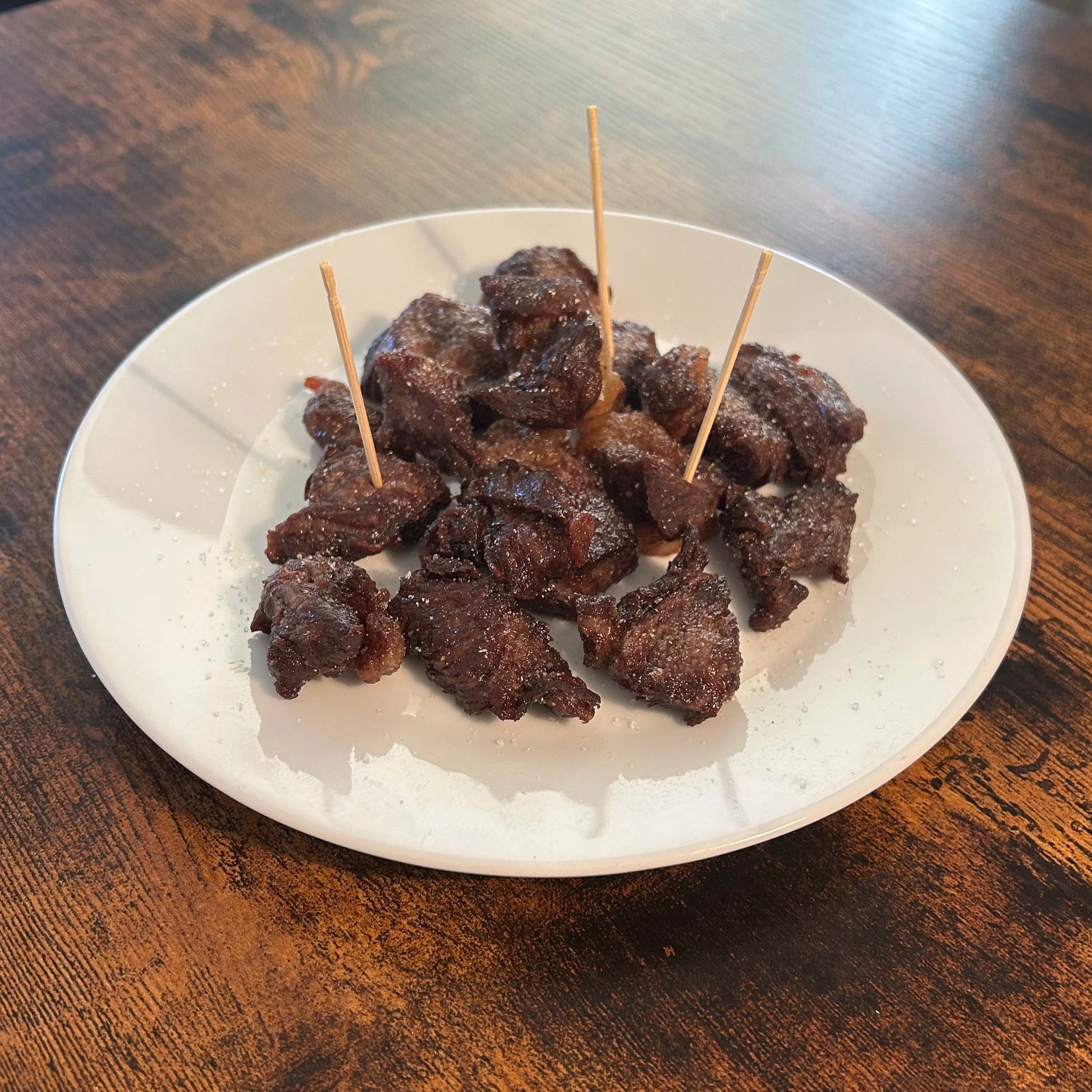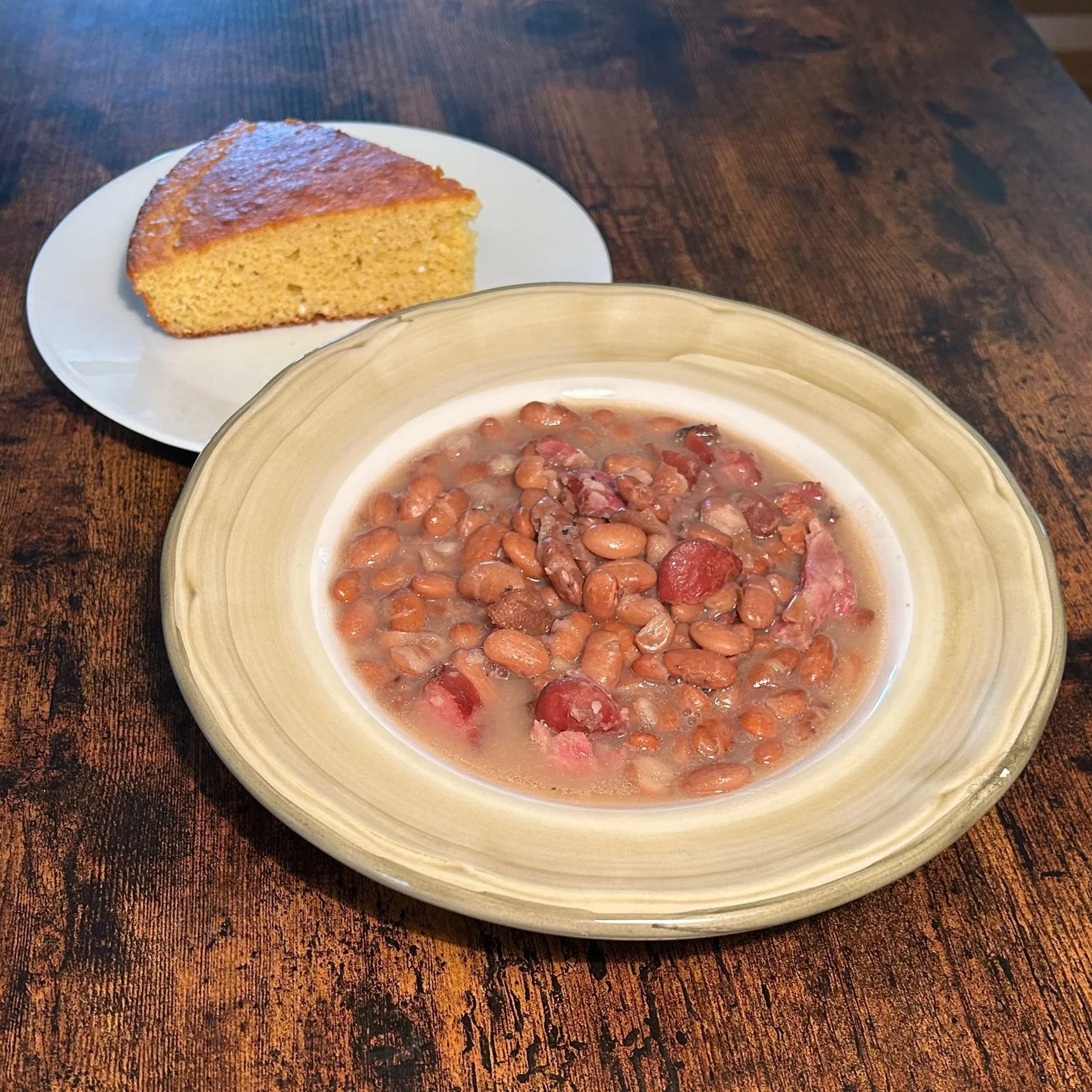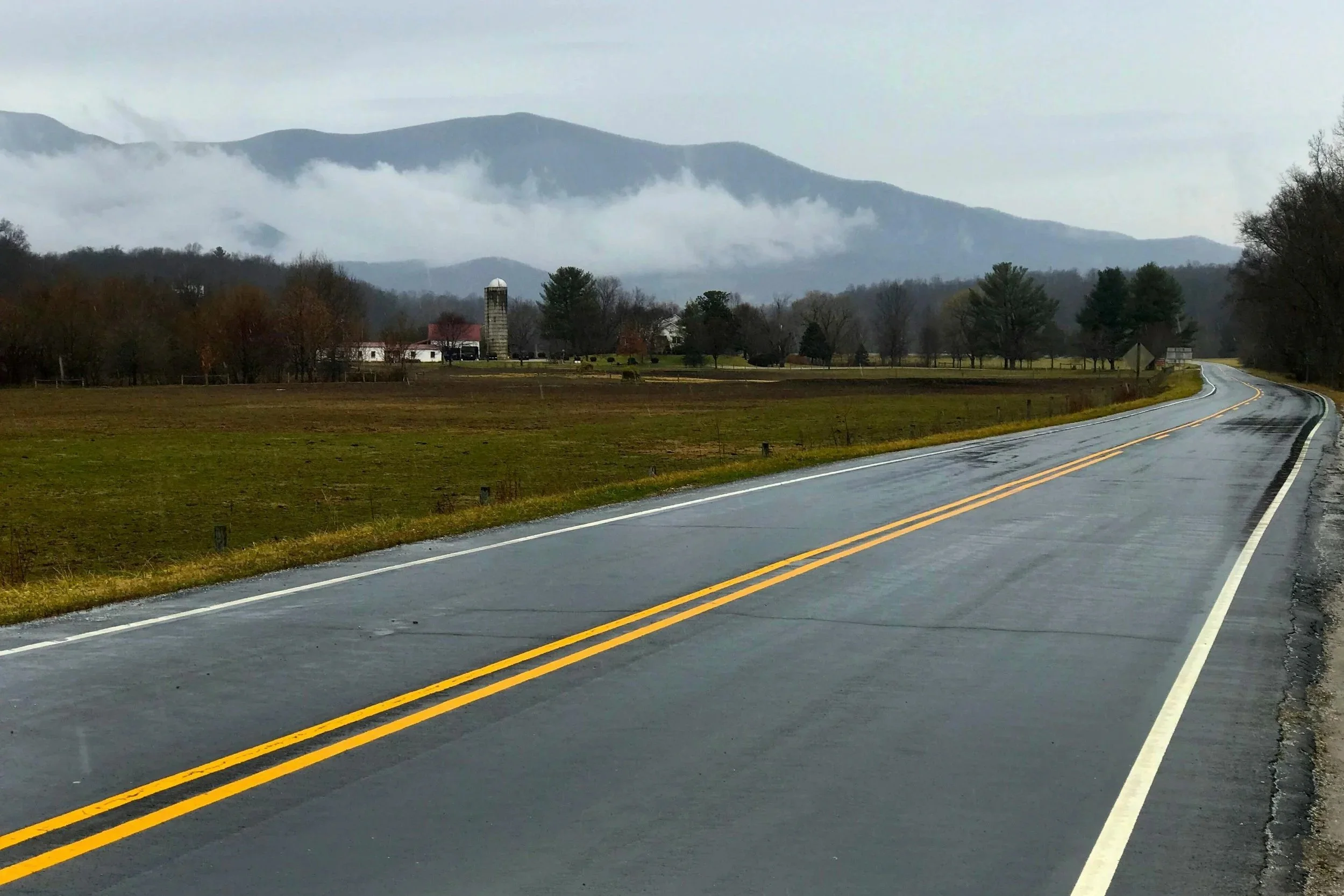
While the assortment of dishes varies significantly between rural communities in the US, the one trait that they all have in common is the self-reliant nature of their food. All of these cuisines developed in isolation, and are often reflective of the local landscape. Below are some of the most notable subsistence cuisines in America:
Appalachia
A mountain cuisine characterized by self-reliance; meals often incorporate wild game and canned, home-grown vegetables
Common ingredients include cornmeal, root vegetables, beans, venison, squirrel, rabbit, pork, molasses, sorghum and apples
Dishes include cornbread, bean soup, pepperoni rolls, biscuits & gravy, fried green tomatoes and fried chicken
Ozark
A mountain cuisine that incorporates wild game and fish into meals
Common dishes include fried catfish, biscuits and gravy, blackberry cobbler and ham & beans
Pennsylvania Dutch
Common ingredients include pork, potatoes, cabbage, beets and apples
Popular dishes include apple butter, apple dumplings, scrapple, chicken pot pie, shoo fly pie and chow chow
Ranch/Western
Beef, beans, wild game and hardy vegetables are common ingredients
Originated from cowboy cooking; open fire cooking, grilling, slow cooking and frying are common techniques
Dishes include chicken-fried steak, cowboy beans, chuckwagon stew and rocky mountain oysters
Upper Midwest
Common ingredients include dairy products, freshwater fish, beef, pork, wild rice and berries
Characterized by hearty casseroles and is heavily influenced by Scandinavian, German and Eastern European cuisines
Popular dishes include hotdish, fried cheese curds, corn & beef, chicken booyah and fried walleye
Mormon
Dishes include funeral potatoes, jello salad, Hawaiian haystacks
Read more about mormon cuisine here
Alaskan Frontier
Freshwater and ocean fish, wild game such as Moose and Caribou, berries and root vegetables are common ingredients
Read more about Alaskan Frontier cuisine here
Agrarian & Frontier Cooking