Barbecue Traditions
The origins of this barbecue come from the Native American technique slow cooking meat over a fire. This technique was given the name of “barbacoa” by Spanish explorers who observed indigenous people of the Caribbean engaging in this cooking style. Over time, this practice spread throughout the New World and took hold in the American colonies. Barbecue culture now exists widely throughout the United States, with certain geographical areas being home to distinct styles of barbecue. The four most prominent regional styles of BBQ in America are from Carolina, Memphis, Kansas City and Texas (see below for more details).
Central Texas
Centered around smoked beef, mainly brisket
Known for simple salt & pepper seasonings for the meat
East Texas
Meat is known for its “fall off the bone” quality, meaning long cook times at low heat
Served alongside a sweet tomato-based sauce
West Texas
Meat is cooked directly over a mesquite wood fire
South Texas
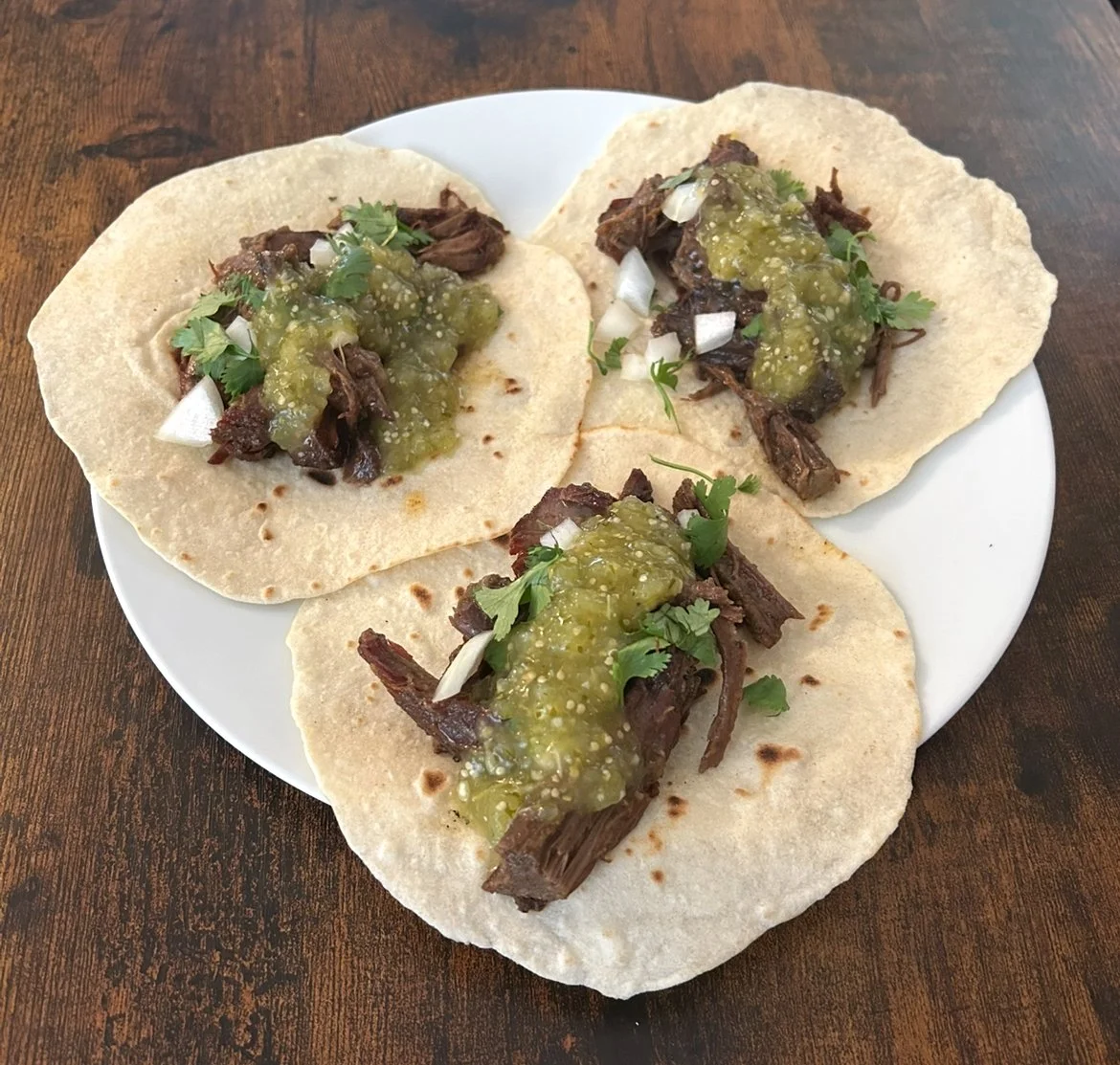
Heavily influenced by Mexican cuisine and is referred to by the Spanish name “barbacoa”
Often features less-popular cuts of beef and goat meat
Traditional BBQ meats of beef and pork are featured prominently in this style of BBQ, but less common meats such as chicken or fish are also included in this regional style
Served with a tomato and molasses-based BBQ sauce
East Carolina
Involves smoking a whole pig over coals
Served alongside a vinegar-based BBQ sauce
West Carolina
Known for pork shoulder/ pulled pork
Served with a tomato based BBQ sauce
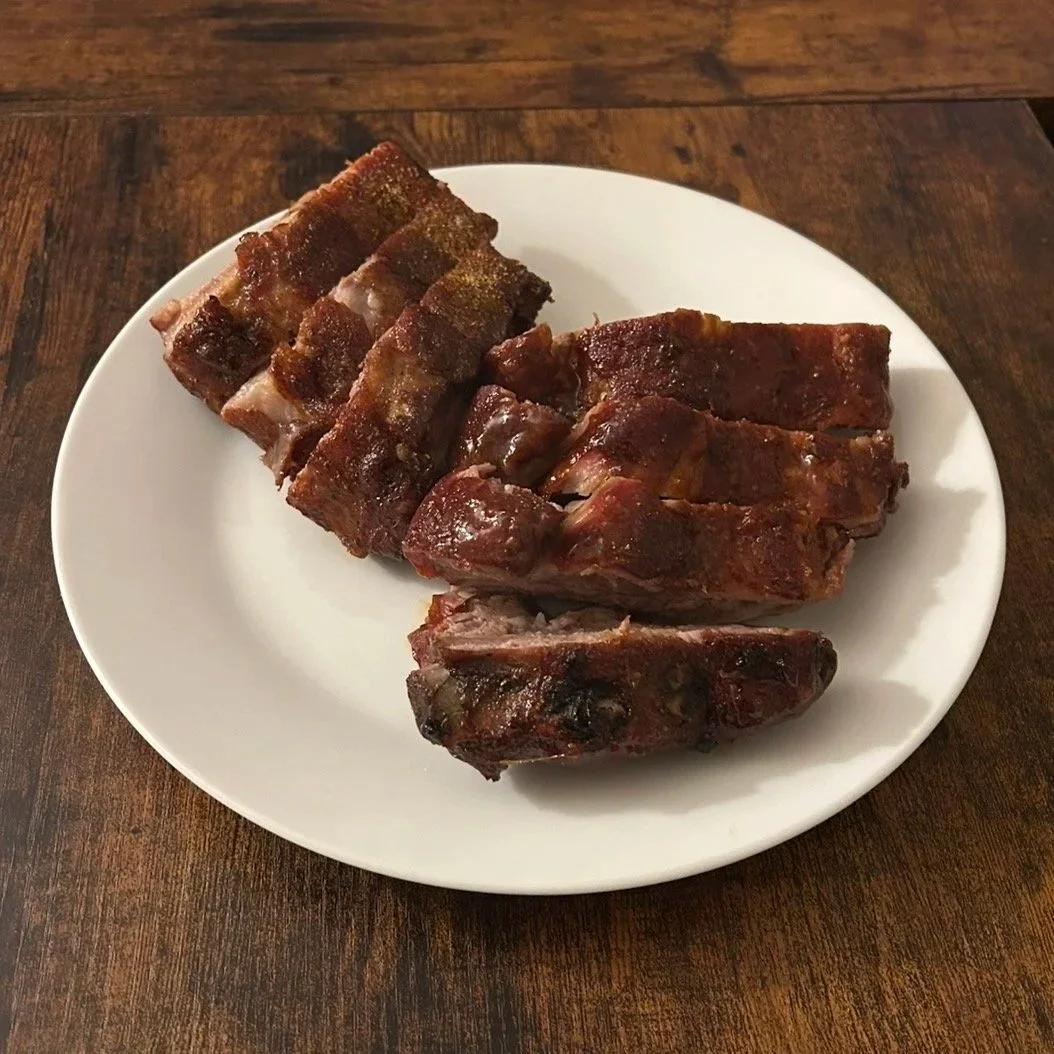
Known for dry-rubbed pork shoulder and ribs
Traditionally served without BBQ sauce, or “dry”